CONTENTS
1. HHC’s Brewing Innovation & Experimentation Reward (BIER) program.
2. The easiest & cheapest way to brew your first beer.
3. What beer style should I brew?
4. Water, Malt, & Mash.
5. Brewing water basics.
6. Yeast management.
7. Roasting your own speciality malts.
8. Cider brewing guide.
CONTENTS
9. Lallemand: Yeast selection.
10. Fermentis: Active dry yeast.
11. Fermentis: Wheat beer yeast options.
12. Fermentis: SafCider yeast range.

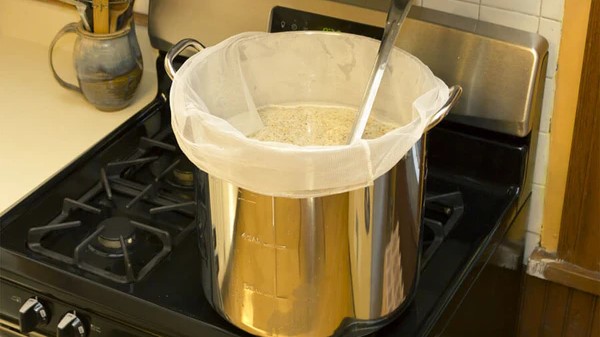
THE EASIEST & CHEAPEST WAY TO BREW YOUR FIRST BEER
Starting your first brew can be intimidating & confusing, even with (or perhaps, because of) all the available online resources. This guide has therefore been developed specifically to give you only the most relevant information you need to brew your first beer
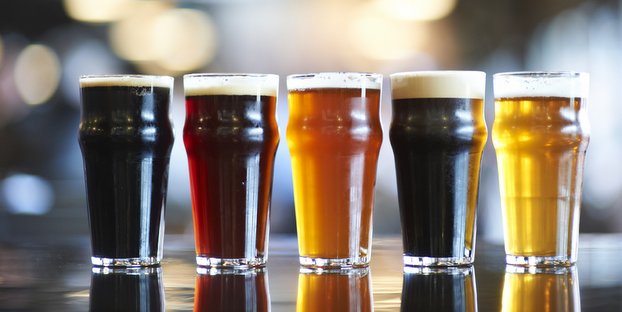
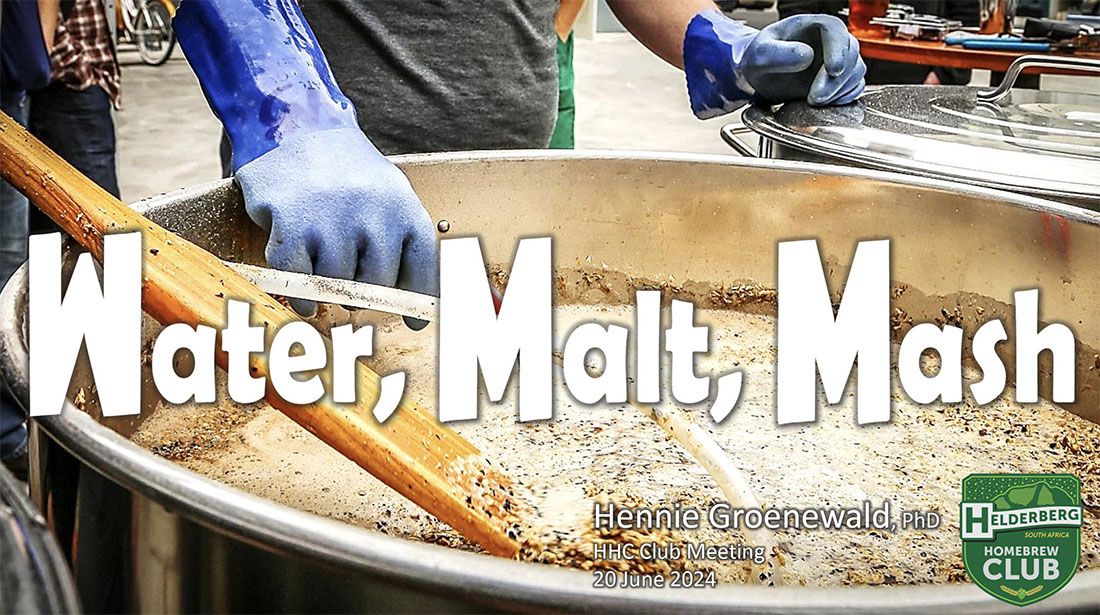
WATER, MALT, & MASH
Unpack the fundamentals of brewing from water chemistry to mash science in this practical, brewer-focused presentation. These slides connect the dots between water composition, malt selection, enzymatic activity, and fermentation outcomes, showing how each variable influences efficiency, flavour, mouthfeel, and quality. With clear frameworks and real-world guidance, it’s a useful reference for home brewers looking to better control and refine their process from mash tun to glass.
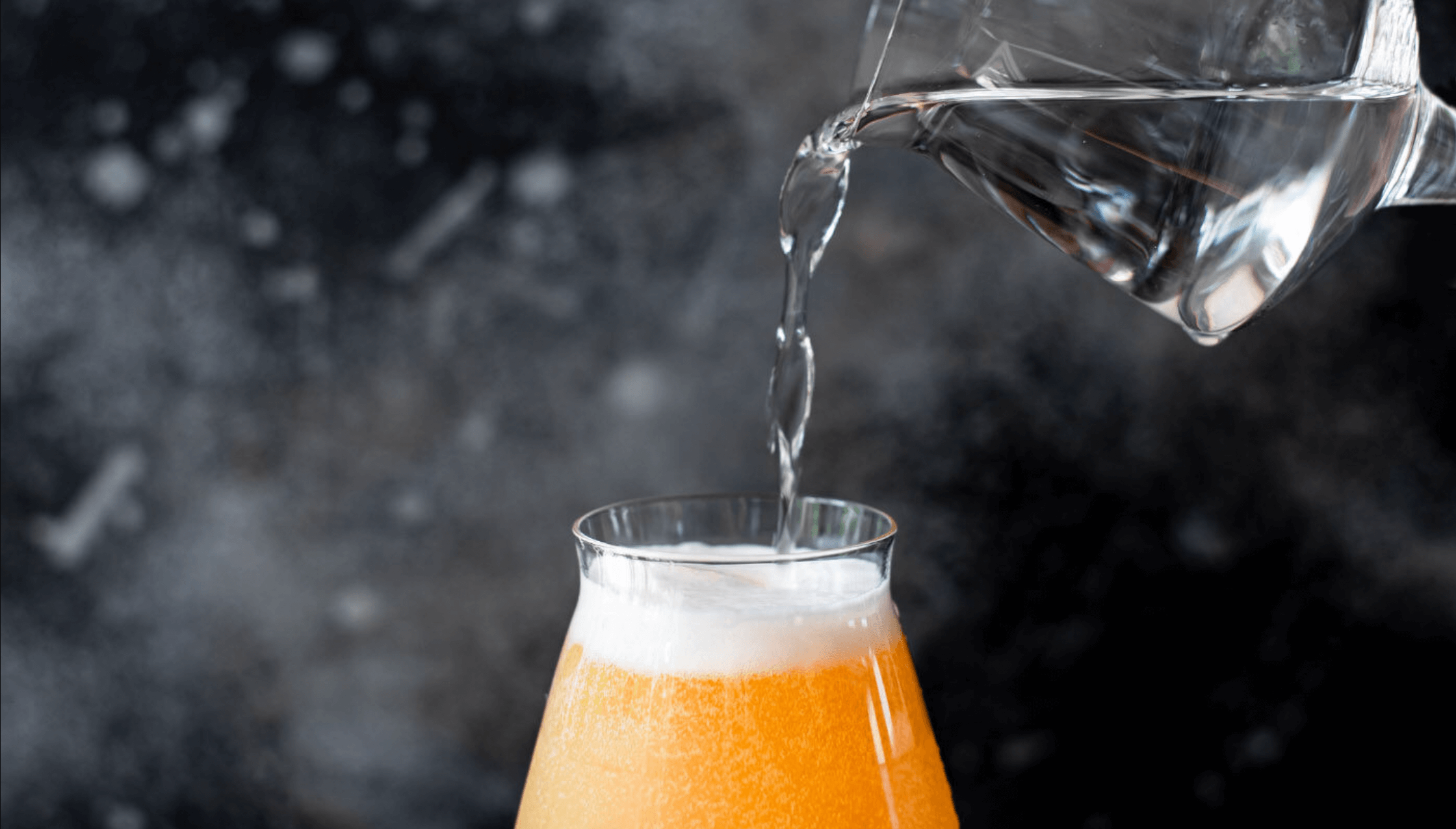
BREWING WATER BASICS
Brewing water affects the beer in three ways: It affects the pH of the beer, which affects how the beer flavors are expressed to your palate; it provides “seasoning” from the sulfate-to-chloride ratio; and it can cause off-flavors from chlorine or contaminants. Learn how to test and adjust your water to take your beer to the next level.
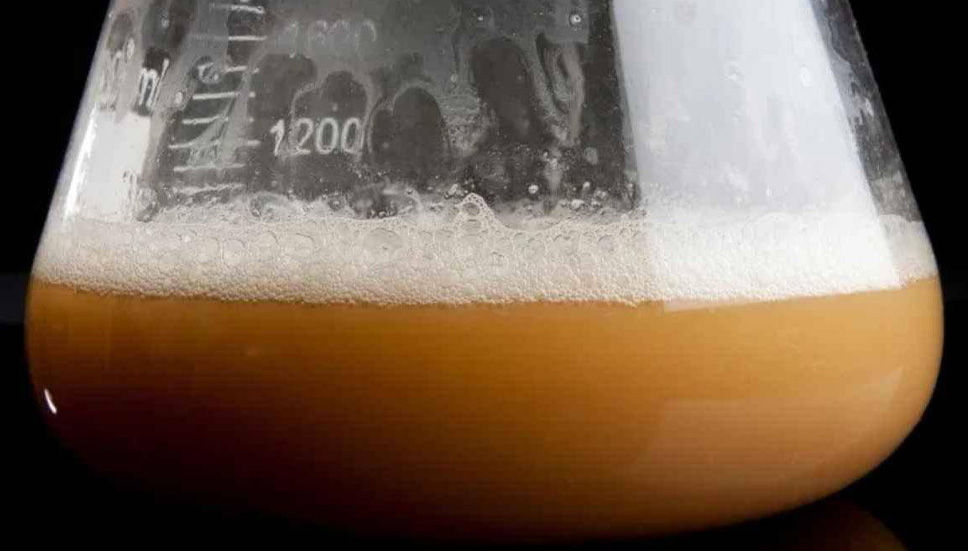
YEAST MANAGEMENT
Mastering yeast management is key for any homebrewer looking to improve their craft. From harvesting and reusing yeast to preparing starter cultures and ensuring viable long-term storage, effective yeast handling helps maintain consistency, save money, and explore new flavors. This guideline covers essential tips for yeast harvesting, starter cultures, and storage to support a thriving homebrew setup.
ROASTING YOUR OWN SPECIALITY MALTS
Although South African homebrewers are spoiled for choice as far as the availability of speciality malts is concerned, preparing your own can add unique characteristics to your beer, help you in a pinch, allow you to experiment or brew a 100% SA beer, and of course add to the fun of brewing!
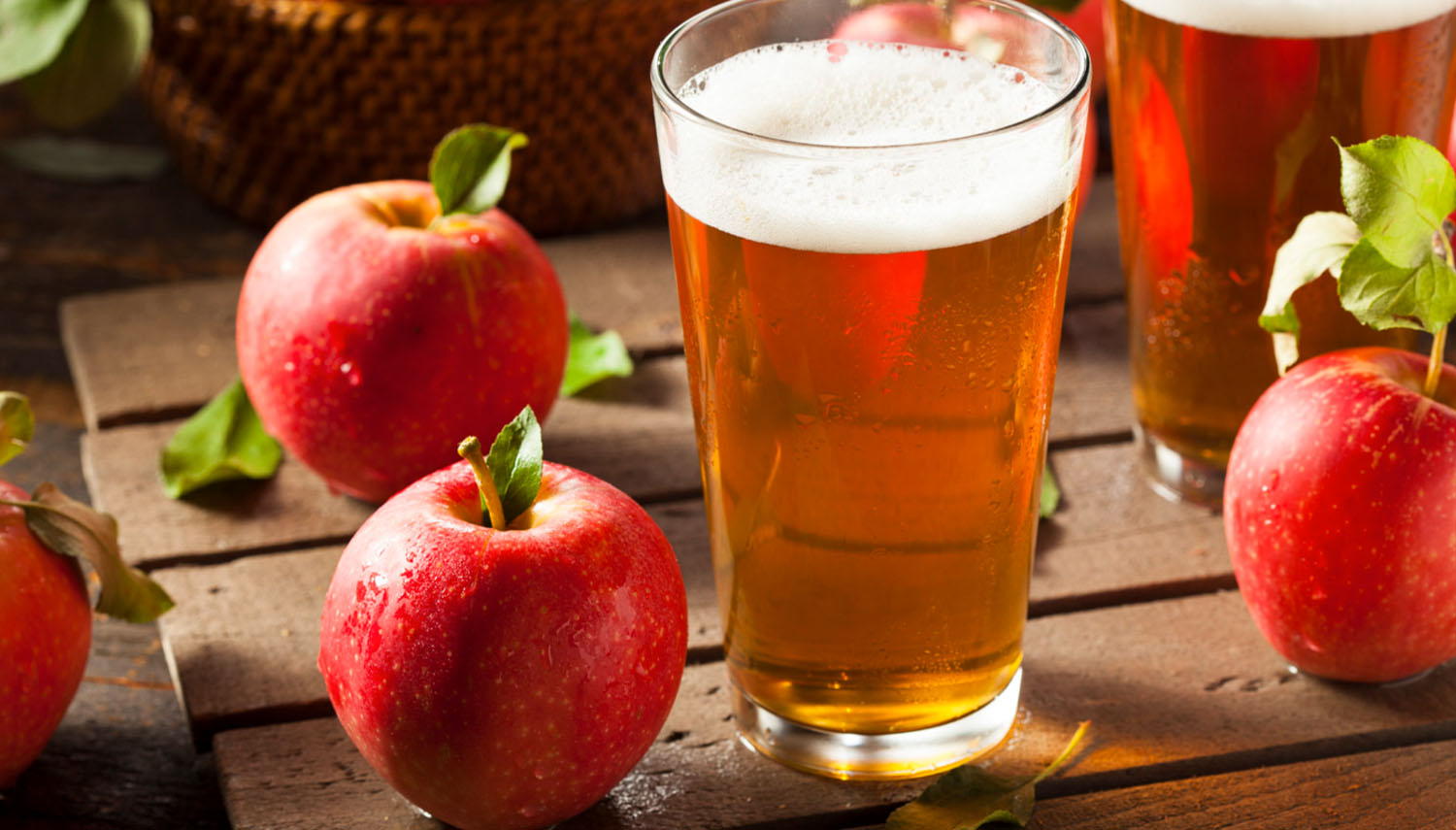
CIDER BREWING GUIDE
Turn fresh apple juice into crisp, refreshing cider with confidence using this practical small-batch guide from the Helderberg Homebrew Club. Covering everything from yeast selection and nutrient management to fermentation control, backsweetening, and safe packaging, it distils real-world experience into a clear, step-by-step process for consistently great 20 L batches.
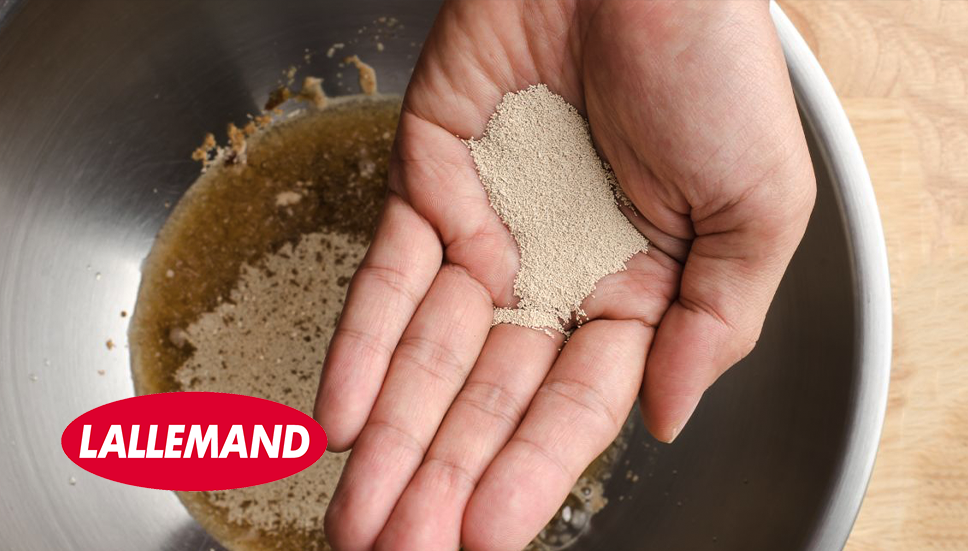
LALLEMAND: YEAST SELECTION
Yeast strain selection and nutrition are crucial factors in the brewing process as they greatly impact the flavour, aroma, and overall quality of the beer. Different yeast strains can produce varying levels of esters, phenols, and other flavour compounds, while proper nutrition ensures healthy yeast growth and fermentation, leading to better attenuation and consistency in the final product.
FERMENTIS: ACTIVE DRY YEAST
Yeast is an incredible living micro-organism, used in many different applications, ranging from healthcare to the food industry. Of course, it’s also an essential component in brewing, not only in the fermentation process, but also to achieve the right style of beer. Active Dry Yeast are highly interesting micro-organisms, which require advanced knowledge in order to master all of their complexities.

FERMENTIS: WHEAT BEER YEAST OPTIONS
Dive into the science of wheat beer fermentation with this practical guide to Fermentis yeast choices. These slides unpack how different strains and fermentation conditions influence classic wheat beer flavours, from clove-like phenolics to banana esters, across German and Belgian styles. With clear experimental insights and real-world takeaways, it’s a useful resource for brewers looking to fine-tune flavour, aroma, and fermentation performance.

FERMENTIS: SAFCIDER YEAST RANGE
Explore the SafCider™ Yeast Range and discover how different yeast strains shape cider character, from crisp and refreshing to rich, fruity, and complex. These slides provide a practical overview of cider styles, fermentation conditions, and the technical criteria behind yeast selection—helping you match the right strain to your desired flavour profile and production goals.